


The complete guide
Buying Guide
Auto Top Up Kit with Level Alarm: a buying guide
Best Aquarium Alarm Auto Top Up Kit: Ensuring Stable Water Levels for Healthy Fish
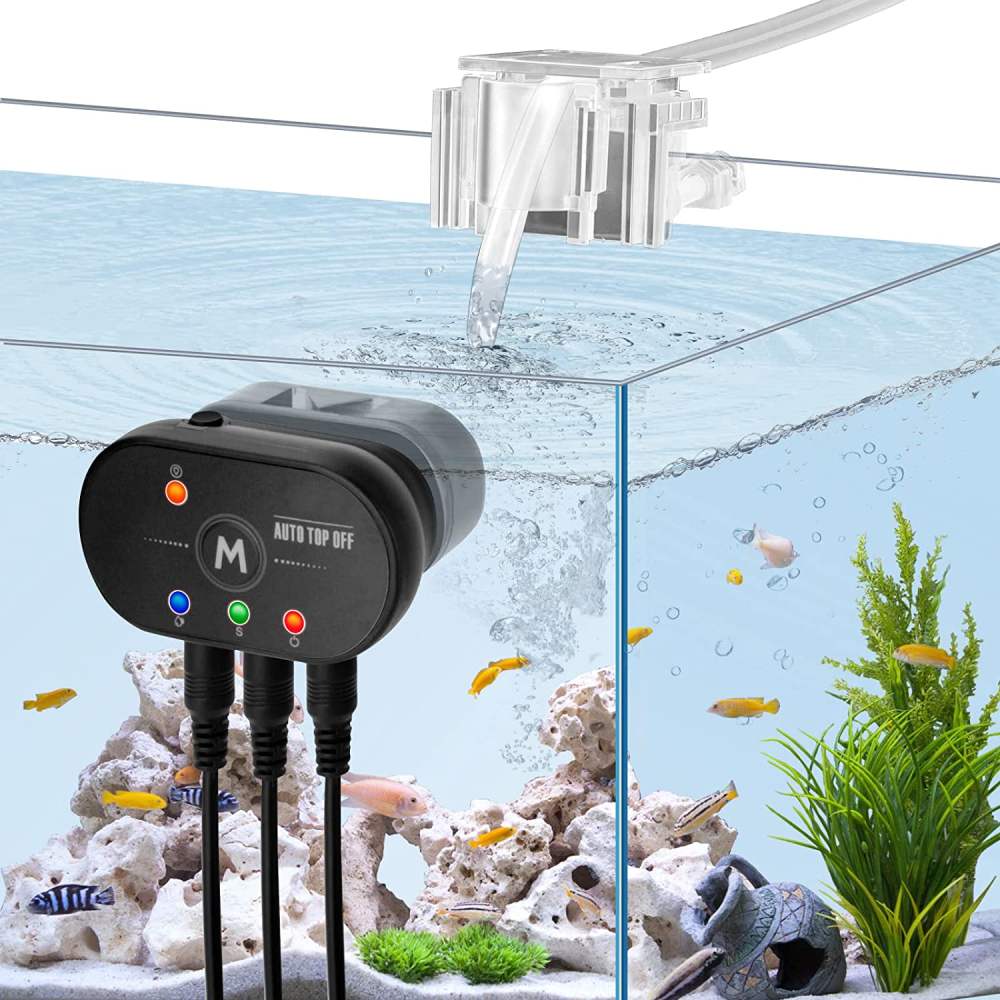
Maintaining consistent water levels in your aquarium is crucial for the well-being of your aquatic friends. Fluctuations due to evaporation can cause stress, salinity imbalances, and equipment damage. That’s where the best aquarium alarm auto top up kit comes in: a combination of water level sensors, refill pumps, and alert systems that automatically maintain optimal conditions. In this comprehensive guide, we’ll explore why an auto refill pump is indispensable, break down key components, profile the best fish tank alarm and top-up solutions, and share expert installation and maintenance tips. With over 2,000 words of insights, you’ll be ready to choose and install the perfect system for your tank.
Why an Aquarium Auto Top-Up System Matters
Evaporation is a constant in most aquariums, especially open-top builds and high-temperature setups. Even a small daily loss can accumulate over days, leading to:
- Salinity Spikes: As water evaporates, salts concentrate, stressing fish and invertebrates.
- Equipment Strain: Sumps and protein skimmers can run dry, causing pumps to suck air and overheat.
- Parameter Instability: Sudden water level drops disrupt heater operation and mislead temperature readings.
- Manual Hassles: Frequent top-offs are time-consuming and prone to overfilling or underfilling. A reliable fish tank auto refill pump paired with a water-level alert ensures seamless water management, safeguarding aquatic life and reducing maintenance.
Understanding How Aquarium Top-Up Kits Work
An integrated auto top-up kit typically comprises three main elements:
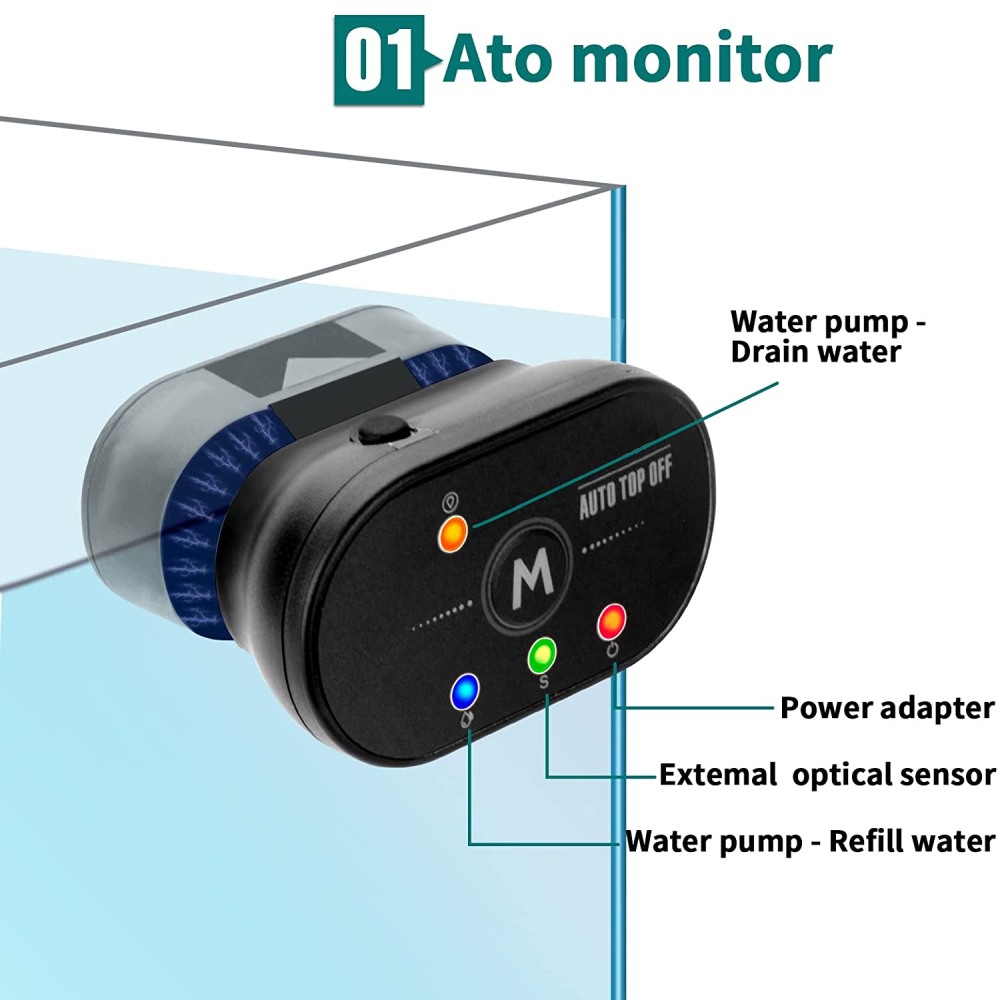
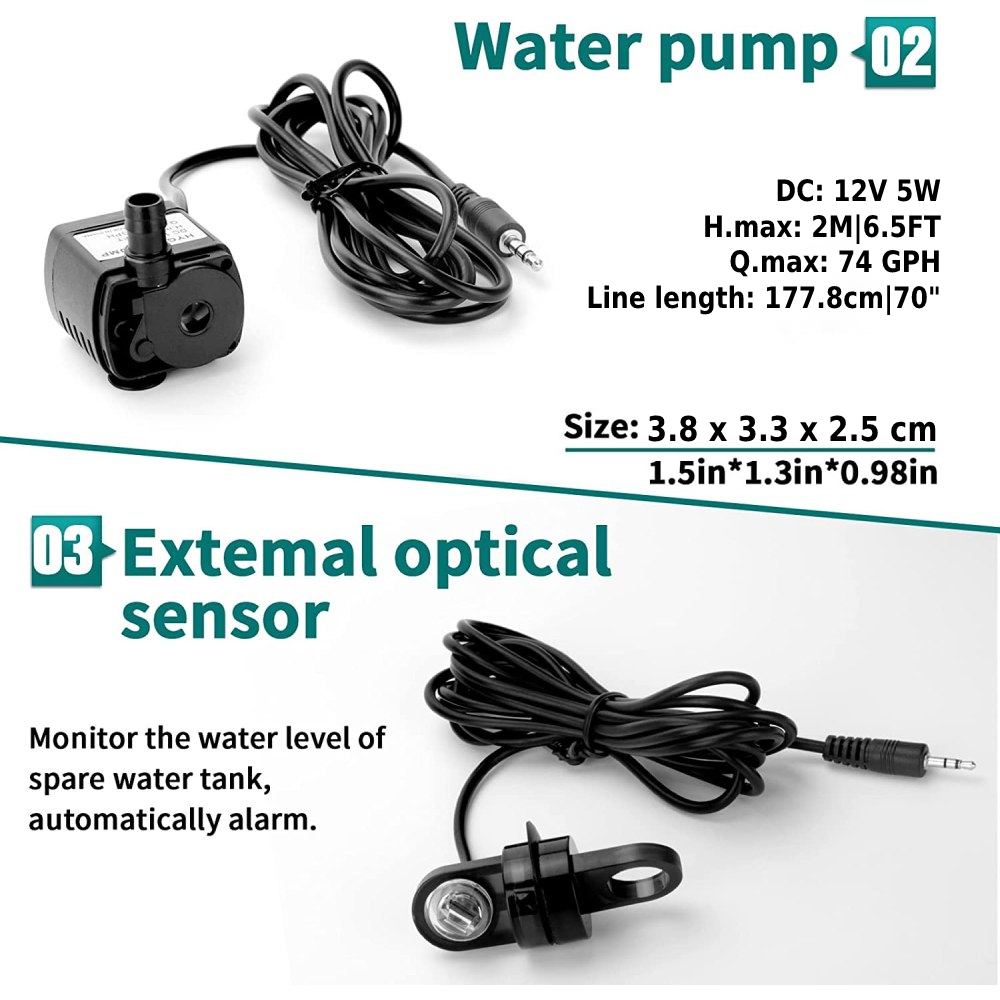
- Water Level Sensor: Detects when water drops below a set threshold in the display tank or sump.
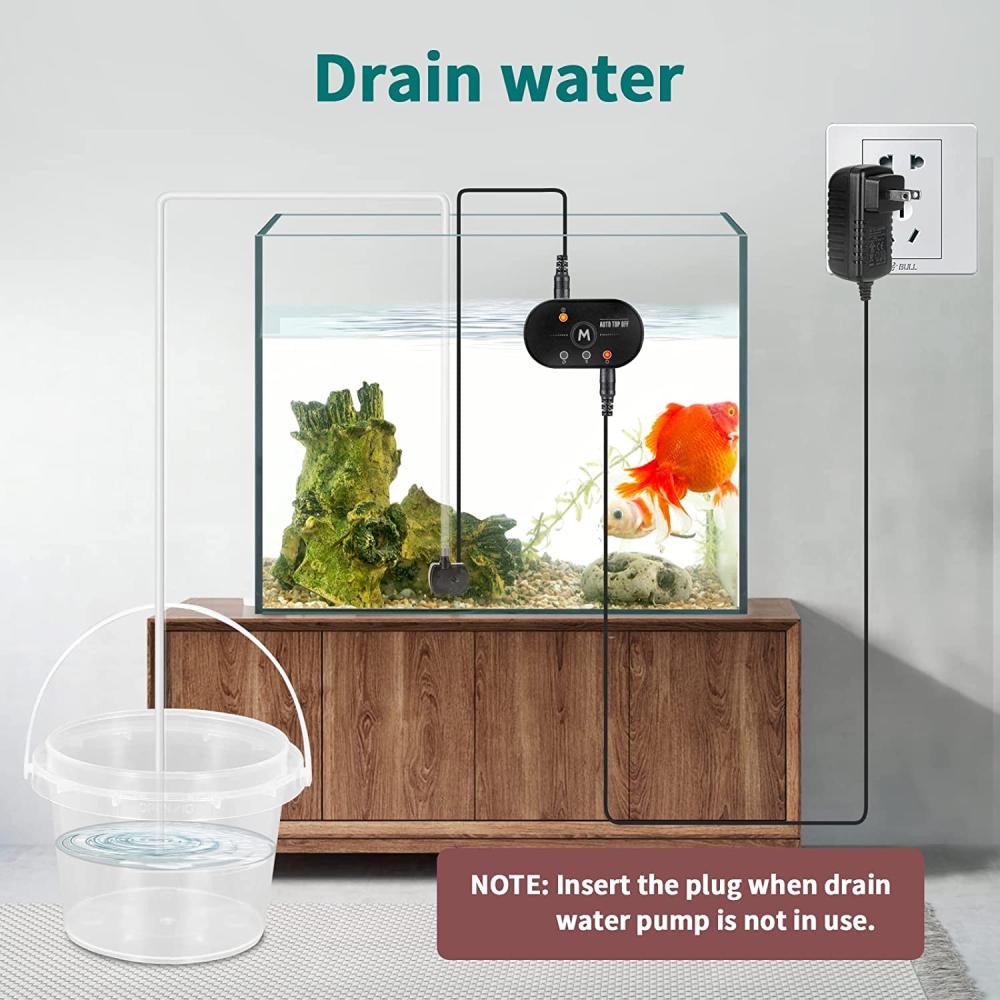
- Refill Pump: Draws fresh water from a reservoir (RO/DI water, freshwater, or saltwater mix) and delivers it back into the tank.
- Alarm Module: Alerts you if pumping fails, water supply is low, or sensor malfunctions occur. When the sensor signals a low-level condition, the pump activates. Once optimal height is reached, the system stops, preventing overflows. An audible or visual fish tank alarm notifies you of any issues needing manual intervention.
Key Benefits of an Automatic Top-Up and Alarm System
Integrating the best aquarium alarm auto top up kit into your setup delivers several advantages:
- Consistent Salinity: Keeps freshwater loss balanced, crucial for saltwater aquaria.
- Equipment Protection: Prevents skimmer and pump damage by maintaining minimum water levels.
- Time Savings: Automates routine top-offs, freeing time for other tasks.
- Early Warning: Alarm functions catch failures before they harm livestock.
- Peace of Mind: Ideal for hobbyists who travel or keep complicated aquascapes.
Types of Aquarium Auto Top-Up Systems
Different kits offer varied features to suit hobbyist needs:
1. Mechanical Float Switch Systems
Simple float switches trigger the pump when water drops below a ball float. Pros include affordability and reliability, but installation requires precise alignment.
2. Optical Water Level Sensors
Non-mechanical IR sensors detect water presence without moving parts, reducing fouling. They are compact and easy to mount on glass.
3. Conductivity Probes
Metal probes measure conductivity changes; when water recedes and conductivity drops, the pump engages. These work well in saltwater tanks but may require cleaning to prevent corrosion.
4. Ultrasonic Level Detectors
Advanced systems use ultrasonic waves to gauge water height accurately. They typically integrate with digital controllers for precise multi-zone management.
5. Smart Digital Controllers
High-end packages combine sensors, pumps, and microcontrollers with smartphone integration. They provide customizable alerts, usage logs, and remote control via apps.
Top 5 Best Fish Tank Auto Refill Pumps & Alarm Kits
After testing various setups in freshwater and marine systems, we recommend the following as the best fish tank auto refill pump and alarm combos:
1. AquaGuard Pro Auto Top-Up Kit
- Sensor: Dual optical sensors for redundancy.
- Pump: Quiet 600 GPH magnetic-drive pump.
- Alarm: Audible buzzer + LED indicator.
- Features: Adjustable refill intervals, built-in check valve, expansion ports for multi-tank setups.
- Why We Love It: Hassle-free install with pre-calibrated sensors and a robust alarm that cuts power if water reservoir runs dry.
2. ReefMaster Smart Top-Off System
- Sensor: Ultrasonic level detector, non-invasive mounting.
- Pump: 200 GPH peristaltic dosing pump for ultra-precise water delivery.
- Alarm & Control: Wi-Fi enabled, smartphone alerts, custom geofencing.
- Features: Multi-fluid capability (freshwater & saltwater), historical usage charts.
- Why We Love It: The most versatile kit for reef aquariums, offering detailed analytics and remote management.
3. HydroMate Basic Auto Top-Up and Alert
- Sensor: Mechanical float switch, corrosion-resistant plastic.
- Pump: Submersible 400 GPH pump with anti-siphon valve.
- Alarm: Simple horn that activates on sensor or pump failure.
- Features: Budget-friendly, easy float height adjustments.
- Why We Love It: Reliable and cost-effective, ideal for freshwater hobbyists on a budget.
4. SaltGuard Dual Probe Top-Off Station
- Sensor: Platinum conductivity probes, optimized for salinity readings.
- Pump: High-efficiency 500 GPH DC pump, adjustable speed.
- Alarm: Digital display with audible/visual alerts and fail-safe shutoff.
- Features: Auto-calibration routine and advanced anti-siphon protection.
- Why We Love It: Excellent for marine tanks, maintaining precise salinity and water height.
5. MarinaGuard Mini Auto Top-Up System
- Sensor: Optical IR sensor with low-profile design.
- Pump: Compact 250 GPH inline pump, perfect for nano tanks.
- Alarm: LED warning light and silent notification via app (Bluetooth).
- Features: Magnetic mounting brackets, no-drill installation.
- Why We Love It: Tailored for small setups, combining ease of use with discreet hardware.
Key Features to Evaluate Before Buying
When comparing the best aquarium alarm auto top up kit options, keep these factors in mind:
- Pump Flow Rate: Match GPH to tank size and evaporation rate.
- Sensor Type: Choose based on tank size, water type (fresh vs salt), and maintenance preference.
- Alarm Sensitivity: Look for multi-level alerts (low-water, pump failure, power loss).
- Installation Complexity: Some kits require drilling; others use magnetic or suction mounts.
- Reservoir Capacity: Larger reservoirs need less frequent refills; compact systems suit smaller spaces.
- Integration & Expandability: Ability to add extra sensors or link with existing controllers (e.g., Apex, Vertex).
- Power Backup Options: Battery or UPS compatibility prevents failure during outages.
Installation Guide: Setting Up Your Auto Top-Up Kit
Follow these steps to ensure a smooth, leak-free installation of your fish tank auto refill pump and alarm system:
- Select Sensor Location: In your sump or display tank, avoiding high flow areas.
- Mount Sensor Securely: Use provided brackets, magnets, or suction cups; ensure the sensor face is clean.
- Position Pump & Tubing: Place the refill pump below reservoir water level; run tubing through a drip loop.
- Prime the Pump: Fill the tubing with water to avoid dry start damage.
- Connect Alarm Module: Wire sensor and pump to the control unit; plug in power adapter.
- Calibrate Water Levels: Adjust sensor trip points to your desired minimum and maximum heights.
- Test System: Simulate low-water to confirm pump activation and alarm triggering.
- Secure All Components: Tidy cables and tubing to prevent entanglement with other equipment.
Maintenance Tips for Long-Term Reliability
Regular upkeep keeps your best fish tank alarm and top-up kit functioning flawlessly:
- Clean Sensors Monthly: Remove mineral buildup and algae with vinegar solution.
- Inspect Tubing: Check for kinks, blockages, or wear; replace every 6, 12 months.
- Test Alarm Functions: Trigger the alert manually to verify buzzer and lights work.
- Lubricate Pump Seals: Follow manufacturer guidelines to prevent drying and cracking.
- Monitor Reservoir: Refill with RO/DI water and change out stagnant water periodically.
- Firmware Updates: For digital controllers, install software updates to improve performance.
Troubleshooting Common Issues
Even the best aquarium auto refill pump systems can encounter hiccups. Here’s how to address them:
- Pump Fails to Activate: Check sensor alignment, power connections, and ensure tubing is primed.
- False Alarms: Clean sensors of dirt or bubbles; secure sensor mounting to eliminate vibrations.
- Water Leakage: Inspect tubing connections and use hose clamps or silicone sealant if necessary.
- Uneven Refill: Adjust pump flow rate or change sensor trip thresholds.
- System Won’t Power On: Verify power adapter output and fuse status in the alarm module.
Can I use tap water in the reservoir?
It’s best to use RO/DI water to prevent mineral buildup in your tank. Tap water can introduce unwanted contaminants and raise hardness.
How do I prevent algae growth in the reservoir?
Keep the reservoir covered and opaque to block light. Clean it regularly and consider adding a small pump for circulation.
Is an alarm necessary if the pump is reliable?
Yes, the alarm alerts you to failures due to power outages, empty reservoirs, or sensor faults that a pump alone cannot detect.
Can I integrate my top-up kit with my aquarium controller?
Many high-end kits offer dry contact outputs or digital interfaces compatible with controllers like Neptune Apex or GHL Profilux for unified monitoring.
What safety features should I look for?
Anti-siphon valves, float-switch backups, and dry-run protection are key features that prevent flooding and pump damage.
Conclusion
An automated water top-up system with built-in alarms is an essential investment for any serious aquarist. The best aquarium alarm auto top up kit not only preserves stable water parameters but also protects your equipment and livestock from preventable mishaps. Whether you choose a straightforward float-switch setup like the HydroMate or a smart controller-based solution like ReefMaster, prioritize sensor reliability, pump capacity, and robust alert functions. With proper installation, routine maintenance, and timely troubleshooting, your fish tank auto refill pump will ensure a pristine, worry-free aquatic environment for years to come.