

The complete guide
Buying Guide
Adjustable Treat Dispensing Ball: a buying guide
Best Dog Treat Ball: Engage, Entertain, and Reward Your Canine Companion
Welcome to our comprehensive guide on selecting the best dog treat ball for your furry friend. Treat-dispensing toys have revolutionised the way we keep our dogs mentally stimulated and physically active. Whether you’re looking for the best treat dispensing dog toys to curb boredom or the best ball for dog treats to encourage healthy play, this 2,000+ word article covers everything you need: benefits, types of interactive dispensers, key features to consider, top product picks, maintenance tips, and frequently asked questions. Let’s dive in!
Why Invest in a Treat-Dispensing Toy?
Dogs are intelligent creatures that thrive on challenges. Without proper outlets for their energy and curiosity, they can develop undesirable behaviours such as chewing furniture, barking excessively, or pacing. The best dog treat ball addresses these issues by combining playtime with rewards. Some core advantages include:
- Mental Stimulation: Figuring out how to release treats engages your dog’s problem-solving skills.
- Enrichment at Home: Provides solo entertainment, reducing the need for constant supervision. With the right interactive treat ball, you’ll turn snack time into an engaging activity that delights your dog and keeps them busy for hours.
Understanding Different Types of Treat Balls
Not all treat-dispensing toys are created equal. Here’s an overview of the main categories to help you choose the ideal model:
1. Simple Roll-and-Release Balls
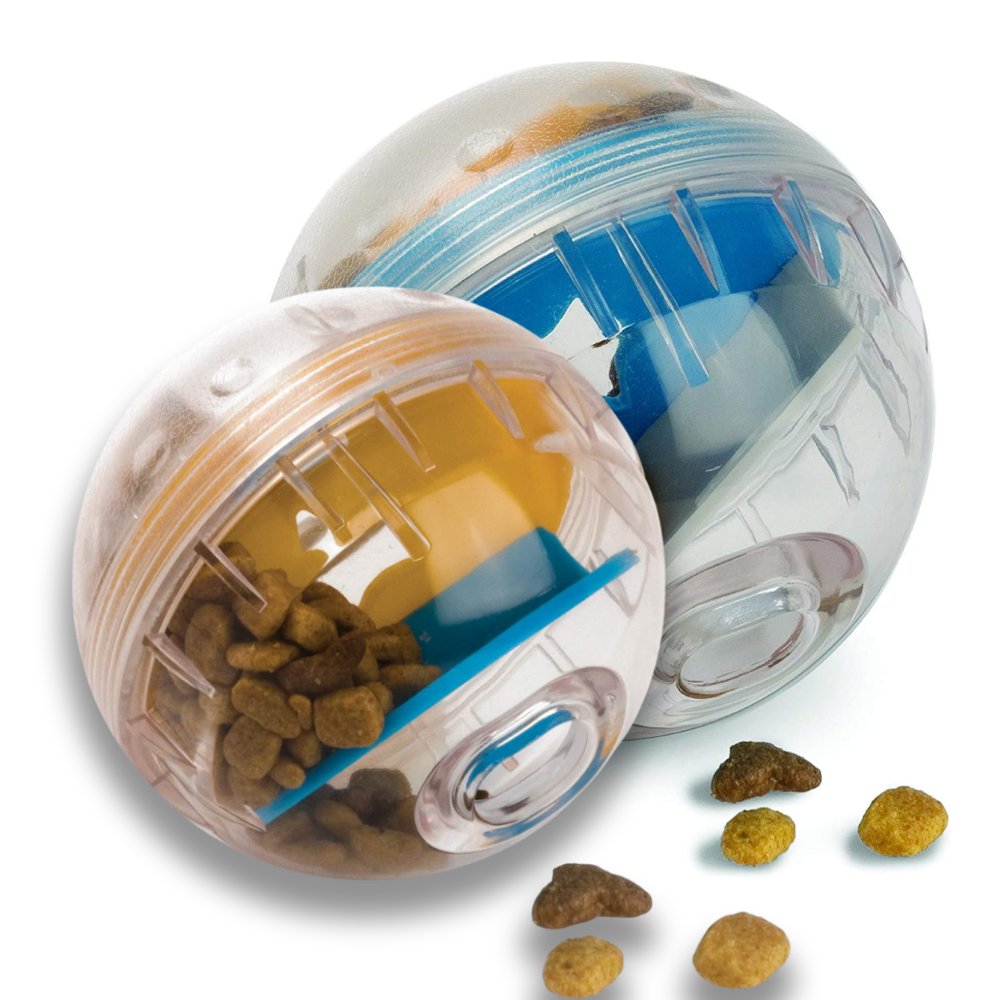
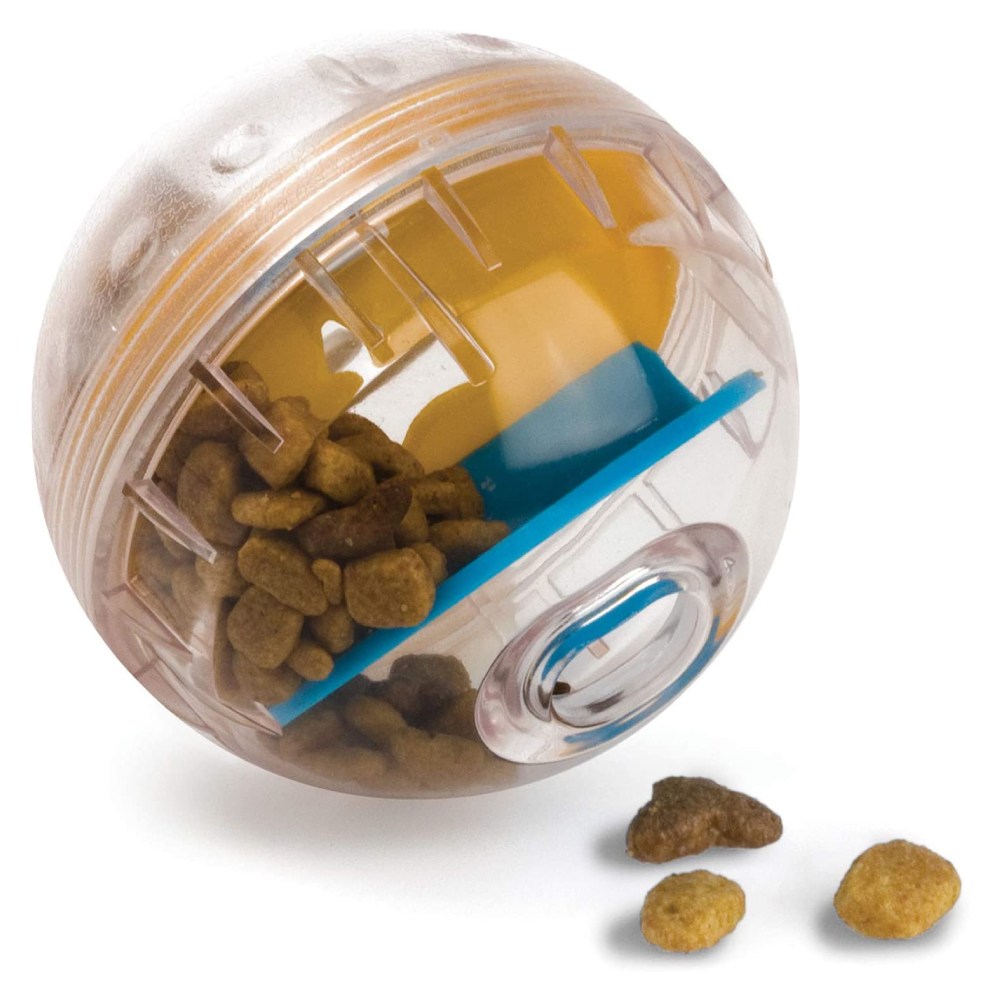
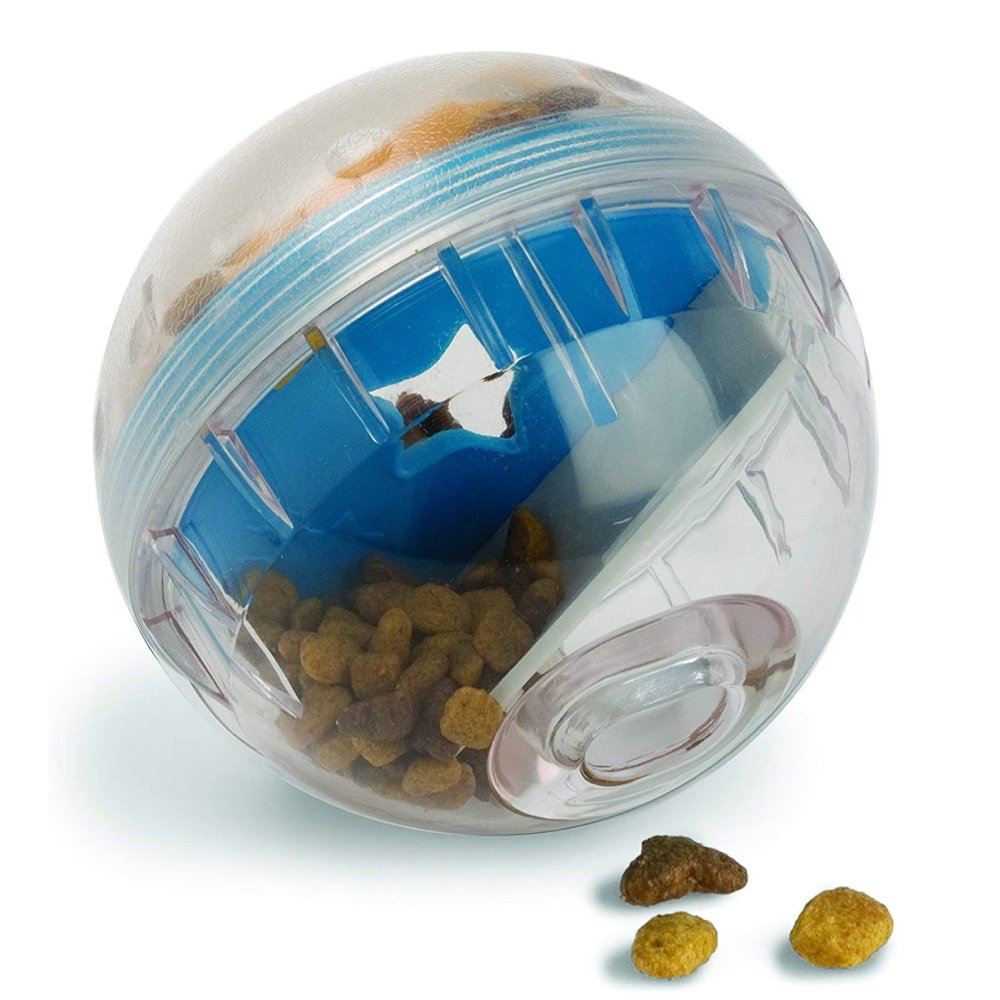
These classic treat balls feature an internal chamber and small dispensing holes. As your dog nudges or rolls the ball, treats gradually fall out. Key traits include:
- Adjustable Apertures: Many models allow you to change hole sizes to control treat flow.
- Durable Construction: Often made of heavy-duty plastic or rubber.
- Easy to Clean: Removable halves for dishwasher-safe washing.
2. Puzzle-Style Dispensers
These advanced versions incorporate internal obstacles or compartments that require specific movements, like lifting, sliding, or pressing levers, to release treats. Benefits include:
- Higher Mental Challenge: Promotes deeper cognitive engagement.
- Variable Difficulty Levels: You can increase complexity as your dog masters the puzzle.
- Extended Playtime: Dogs typically spend longer figuring out multi-step mechanisms.
3. Slow-Feed Spiked Balls
Featuring rubber spikes or raised nubs, these balls hold soft treats or wet food in the crevices. As dogs lick or gnaw, morsels loosen gradually. Ideal features include:
- Gum Massage: Spikes help clean teeth and soothe gums.
- Mess-Free Design: Keeps wet foods contained until licked out.
- Soft Material: Gentle on canine teeth.
4. Rolling & Flicking Treat Launchers
Combining the fun of a fetch toy with a treat dispenser, these devices launch small treats as your dog plays fetch. Key perks include:
- Retrieval Training: Encourages catching skills and recall.
- Fast Treat Dispersion: Great for high-energy dogs who love chasing rewards.
- Customisable Distance: Some models let you adjust launch force.
5. Interactive Rolling Towers
These stationary puzzle towers have stacked cups or layers that spin or slide. Dogs must navigate each level to access treats. They offer:
- Multi-Level Challenge: Teaches patience and multiple-step reasoning.
- Compact Footprint: Ideal for limited spaces where rolling balls might get stuck.
- Stable Base: Prevents tipping during enthusiastic play.
Key Features to Look for in the Best Dog Treat Dog Ball
When evaluating the best ball for dog treats, consider these essential factors:
- Material Durability: Look for non-toxic, BPA-free plastics or rubber that withstands strong jaws.
- Adjustable Difficulty: Toys with customizable openings or insertable obstacles adapt to your dog’s skill level.
- Easy to Clean: Dishwasher-safe components or simple disassembly save time and ensure hygiene.
- Size Appropriateness: Choose a diameter large enough to prevent choking yet small enough for your dog to manipulate.
- Stability & Weight: Heavier balls resist being tossed too far by power chewers, while lighter models suit gentler pups.
- Versatile Use: Models that hold both kibble and soft treats, or wet food, offer more variety.
- Safety Features: No sharp edges, loose parts, or small bits that could break off.
Top 7 Picks: Best Treat Dispensing Dog Toys
After extensive testing with dogs of various breeds and play styles, we’ve identified the following as leading contenders for the best dog treat ball crown:
1. PawSpin Classic Treat Ball
- Type: Simple roll-and-release
- Material: Heavy-duty, food-grade ABS plastic
- Adjustability: Three aperture sizes for gradual treat flow
- Size Options: Available in Small (2.5” diameter), Medium (3.5”), Large (4.5”)
- Why We Love It: Its straightforward design makes it perfect for beginners and senior dogs needing gentle mental stimulation.
2. BrainTeaser Puzzle Ball
- Type: Multi-chamber puzzle
- Material: Non-toxic TPR rubber with internal plastic compartments
- Difficulty Levels: Two internal chambers with removable obstacles for progressive challenge
- Cleaning: Disassembles into three parts, dishwasher safe
- Why We Love It: Keeps clever canines engaged with multi-step treat retrieval that evolves as they master each stage.
3. SlowLick Spiky Treat Ball
- Type: Slow-feed spiked ball
- Material: Soft, durable rubber spikes
- Ideal For: Wet foods, peanut butter, soft treats
- Size: 4” and 5” diameters
- Why We Love It: The rubber nubs massage gums and distribute tasty spreadables for prolonged licking satisfaction.
4. Fetch ’n’ Treat Launcher Ball
- Type: Treat-launching fetch toy
- Material: Lightweight, puncture-resistant nylon
- Launch Distance: Adjustable throw force up to 30 feet
- Compatibility: Works with most standard kibble sizes up to 15mm
- Why We Love It: Combines physical exercise with reward delivery, perfect for energetic retrievers and border collies.
5. Rolling Tower Treat Maze
- Type: Stationary multi-level puzzle
- Material: BPA-free plastic with weighted base
- Levels: Three rotating tiers requiring sequential placement to release treats
- Size: 8” diameter, 6” height
- Why We Love It: Offers extended play sessions, dogs must navigate each layer for their reward, encouraging patience and strategy.
6. FlexiFetch Interactive Treat Ball
- Type: Hybrid roll-and-launch
- Material: Reinforced rubber with internal spring mechanism
- Features: Spring-loaded core dispenses treats when squeezed or bounced
- Size: 3.5” diameter
- Why We Love It: Dual-action design allows both self-play and interactive tosses with treat surprises on every bounce.
7. EcoChew Biodegradable Treat Ball
- Type: Simple roll dispenser
- Material: Plant-based, biodegradable polymer
- Sustainability: Earth-friendly alternative to plastic
- Size: 4” diameter
- Why We Love It: Combining eco-conscious materials with reliable treat release, it’s perfect for green pet owners.
How to Choose the Right Treat Ball for Your Dog
With so many options, selecting the perfect best dog treat ball can feel overwhelming. Here’s a step-by-step approach:
- Assess Your Dog’s Skill Level: Start with simple roll-and-release balls for novices, then progress to puzzle versions.
- Consider Coat & Chew Strength: Hardcore chewers need sturdy rubber or thick plastic. Gentle mouths can use softer TPR or silicone.
- Choose Appropriate Size: Ensure the ball is too large to swallow but small enough to be pushed and carried comfortably.
- Match to Treat Type: If you prefer wet food or peanut butter, opt for a spiky or crevice-style design. For dry kibble, simple dispensers work best.
- Think About Cleaning: Models with removable parts and dishwasher-safe ratings simplify maintenance.
- Budget & Sustainability: Eco-friendly designs may cost more but align with green values. Premium puzzle toys provide long-term engagement at higher price points.
Tips for Introducing a Treat Ball to Your Dog
Even the best ball for dog treats requires a gentle introduction to ensure success:
- Show & Tell: Let your dog sniff and investigate the empty toy before adding treats.
- Easy Access: Start with larger treat openings or partially filled balls so rewards spill out quickly.
- Positive Reinforcement: Praise and pet your dog when they interact with the toy.
- Gradual Difficulty Increase: Once your dog masters simple dispensing, gradually tighten openings or add internal obstacles.
- Supervision: Monitor initial sessions to ensure safety and correct usage.
Maintaining and Cleaning Your Treat Ball
Regular care preserves your treat ball’s integrity and hygiene:
- Empty & Rinse: After each use, remove leftover crumbs and rinse with warm, soapy water.
- Dishwasher Safe: If compatible, place parts on the top rack to sterilise.
- Inspect for Wear: Check for cracks or loose pieces; replace damaged toys promptly.
- Air Dry Thoroughly: Ensure all parts are completely dry before reassembly to avoid mould.
Are treat balls suitable for puppies?
Yes, choose smaller, softer models without complex mechanisms. Supervise young pups to prevent accidental swallowing of small parts.
How often should I rotate my dog’s toys?
Rotate interactive toys every 1, 2 weeks to maintain novelty and prevent boredom.
Can treat balls help with weight management?
Absolutely, slower treat release prolongs engagement and prevents rapid overeating. Combine with portion control for effective weight management.
What treats work best?
Dry kibble, small training treats, or dehydrated bites fit most apertures. For spiky slow-feed balls, use peanut butter, yogurt, or mashed fruits for dental benefits.
How do I prevent my dog from destroying the toy?
Choose heavy-duty rubber or thick plastic models designed for powerful chewers. Remove the toy if sharp edges or cracks appear.
Conclusion
From simple roll-and-release classics to advanced puzzle dispensers, there’s a perfect best treat dispensing dog toy for every canine personality. By considering your dog’s skill level, chewing strength, and treat preferences, you can select a durable, engaging toy that keeps them happily occupied for hours. Remember to introduce the toy gradually, rotate regularly, and maintain hygienic cleaning practices. Happy playing, and here’s to a more stimulated, satisfied, and well-trained canine companion!